Dan Walsh believes supportive housing is key to helping justice-involved men with substance use disorders become productive residents on Chicago’s South Side.
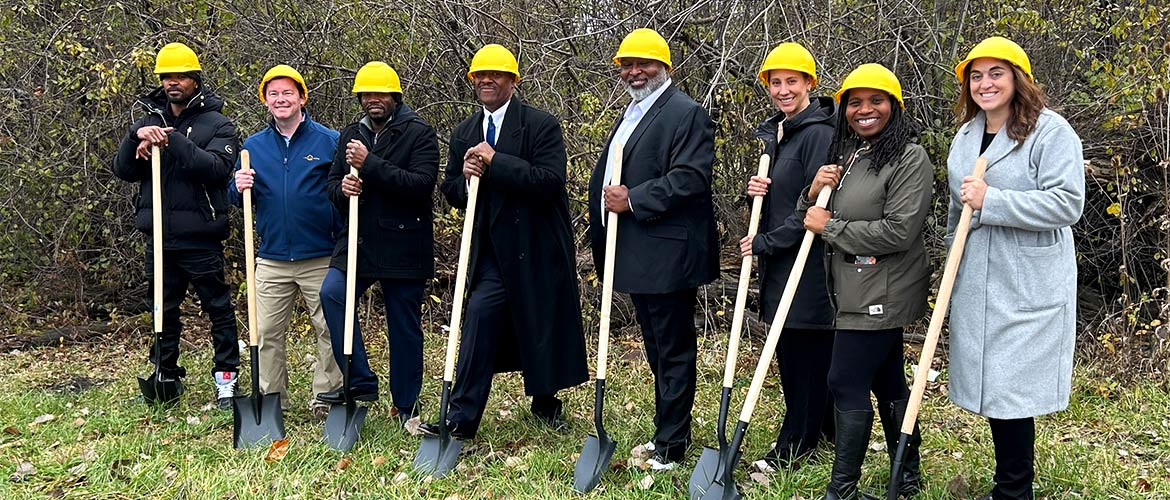
Through financial support from Blue Cross and Blue Shield of Illinois, Walsh is constructing a housing community in the village of Dixmoor to help Medicaid members become healthier as they work toward independence. Four-bedroom units built on plots of vacant land will house men and women who have demonstrated progress through LifeHouse Group, a 170-bed recovery center Walsh opened in 2020 as an alternative to 90-day drug treatment facilities.
“LifeHouse has been such a great group,” says Dixmoor Mayor Fitzgerald Roberts, adding that its residents help keep the village clean, as well provide services for its older residents. “I thank Dan for all the things he does, and I’m looking forward to him building more in the community.”
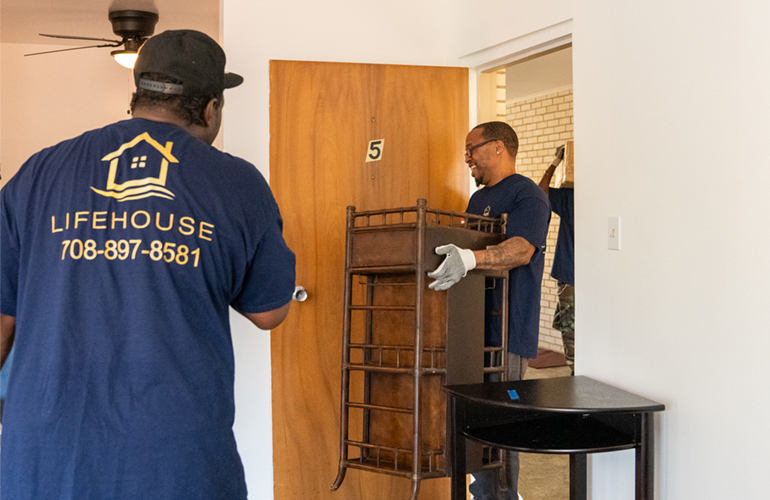
Nearly 40 BCBSIL Medicaid members live at the center, which provides educational opportunities, workforce training and behavioral health and counseling services to help residents build coping skills, achieve goals and develop independence.
“We want to help people rebuild all facets of their lives,” says Walsh, LifeHouse’s CEO, whose background includes corporate planning, financial strategy and risk management. "This housing initiative provides a powerful new tool in our efforts to support individuals on their recovery journey.”
LifeHouse’s Empowerment Estates project is among the ways BCBSIL is trying to improve the lives of more than 87,000 Medicaid members whose struggles with non-medical issues such as lack of housing can lead to poorer physical and mental health outcomes. BCBSIL has committed to investing $12 million over five years in organizations that are addressing housing and behavioral health needs statewide.
BCBSIL member health assessments have shown lack of stable housing contributes to chronic medical and behavioral health conditions. Research by the Illinois Department of Public Health confirms the link between housing insecurity and poor health outcomes.
“We’re looking for partners who are going to address those gaps and have the same goals and missions that we do as a company,” says Suzanne Letang, population health clinical strategy manager for BCBSIL. “Ultimately, we’re looking at every person with respect and treating them with respect. Unhoused individuals who do have substance misuse, individuals with mental illness, they're people just like all the rest of us.”
Among the U.S. justice-involved population, more than one third are diagnosed with opioid misuse disorder, according to research published in Health & Justice. After release, justice-involved individuals face an increased risk of misusing drugs and are 129 times more likely to die from an overdose within the first two weeks of release compared to those who are not. However, finding placement in a recovery home can be difficult.
“We all need a stable place to live, and this is especially vital for people in recovery, since it provides the safety and support needed to thrive,” says Dr. Tom Allen, executive medical director for behavioral health at BCBSIL.
Searching for direction, finding joy
More than two years ago, BCBSIL member Elijah Bell came to LifeHouse in search of direction and purpose. Then in his mid-50s, Bell had a job and lived independently but felt trapped in an environment that slowly chipped at his mental health and self-worth.
“I knew I was done using drugs,” he says. “But I just needed to get out. I called to see if I could get in here. That was the best decision I made in my life.”
Besides earning professional certifications and gaining employment, Bell found joy and belonging while working in the community gardens LifeHouse residents maintain for Dixmoor residents. He’s determined to put down roots and start a business.
“I found a love for helping people. I’ve never experienced that before in my life,” Bell says. “My life is changing for the better, and I’m enjoying the ride.”